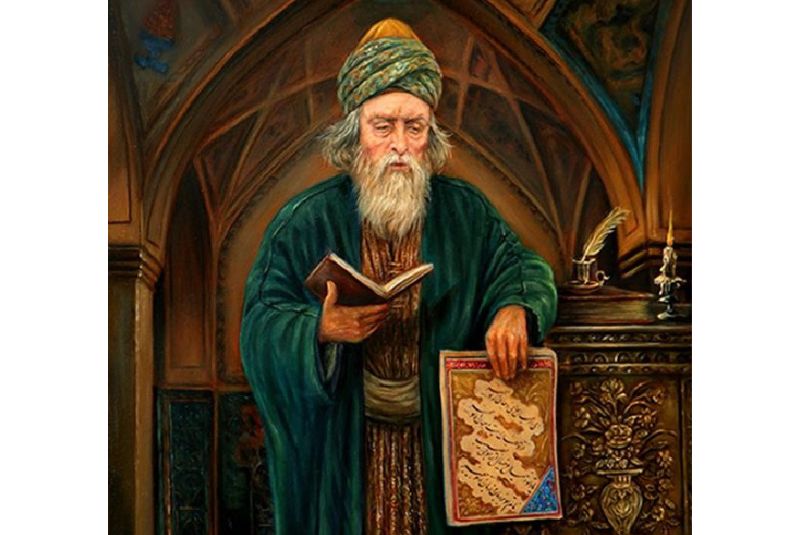
فریدالدین ابوحامد محمد عطار نیشابوری مشهور به شیخ عطّار نیشابوری (۱۱۴۶ م/۵۴۰ ق – ۱۲۲۱ م/۶۱۸ ق)، عارف، صوفی و شاعر ایرانی ادبیات فارسی در پایان سدهٔ ششم و آغاز سدهٔ هفتم بود.
عطار در سال ۵۴۰ هجری قمری در نیشابور زاده شد و در ۶۱۸ هجری قمری به هنگام حملهٔ مغول به قتل رسید.[۱]
چهار مثنوی «الهینامه»، «منطقالطیر»، «مصیبتنامه» و «اسرارنامه» از آثار اصیل عطار هستند. سه مثنوی نخست دارای ساختاری به شیوۀ هندی هستند که در آن حکایتهای فرعی در دل یک داستان اصلی و چارچوبی جای گرفتهاند. محور اصلی «الهینامه» زهد، «منطقالطیر» جستجوی خدا در درون و مفهوم «فنا» و «مصیبتنامه» شرح سیر روح در خلوت تفکر روحانی است. «اسرارنامه» از نظر ساختاری انسجام سه اثر دیگر را ندارد.
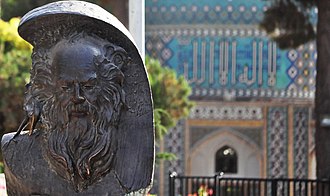
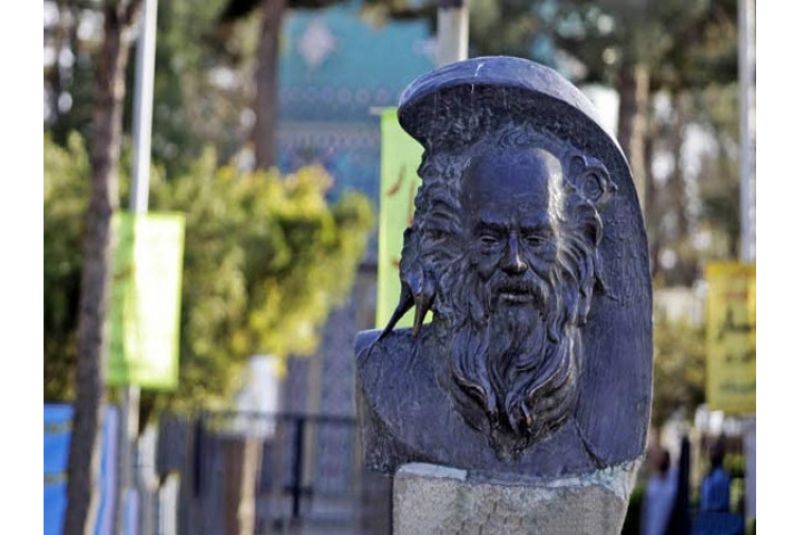
| تندیس عطار نیشابوری در روبروی آرامگاه وی در نیشابور | |
| زادهٔ | سال ۵۴۰ هجری ۱۱۴۶ میلادی نیشابور |
|---|---|
| درگذشت | ۶۱۸ هجری قمری ۱۲۲۱ میلادی شادیاخ (نیشابور) |
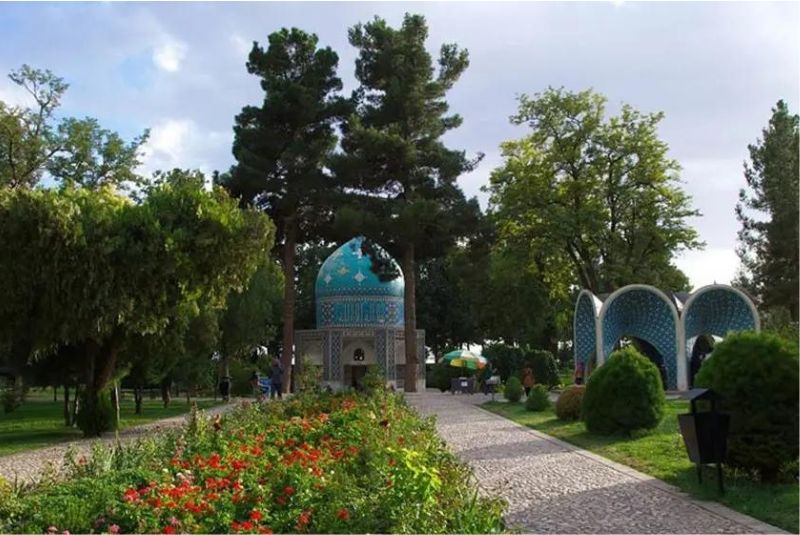
| آرامگاه | آرامگاه عطار نیشابوری |
| ملیت | ایرانی |
| محل تحصیل | نظامیه نیشابور |
| پیشه | شاعر، نویسنده، عارف، صوفی |
| سالهای فعالیت | قرن ششم و سالهای نخستین قرن هفتم هجری قمری |
| آثار | الهینامه، اسرارنامه، مصیبتنامه، تذکرةالاولیا، منطقالطیر، جواهرنامه، خسرونامه، مختارنامه (کتاب)، پندنامه، اشترنامه، نزهةالحجاب، بیانالارشاد،سیفصل، هیلاجنامه،وصلتنامه |
| سبک | مثنوی، نثر، غزل، رباعیات |
| عنوان | شیخ عطار |
| دوره | حکومتهای سلطان سنجر سلطان محمد خوارزمشاه |

زندگی
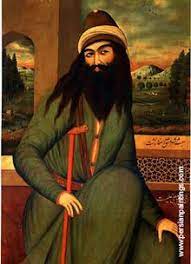
زادروز و کودکی
محمدرضا شفیعی کدکنی در مقدمهای که بر منطقالطیر نوشتهاست اشاره میکند که شخصیت عطار در «ابر ابهام» است و اطلاعات ما حتی دربارهٔ سنایی، که یک قرن قبل عطار میزیسته، بسیار بیشتر از اطلاعاتی است که از عطار در دست داریم. تنها میدانیم که او در نیمهٔ دوم قرن ششم و ربع اول قرن هفتم میزیستهاست، زادگاه او نیشابور و نام او، آنگونه که عطار گاهی در اشعارش به همنامی خود با پیامبر اسلام اشاره میکند، محمد بودهاست.
عوفی در لبالالباب خود از او با عنوان «الأجل فریدالدین افتخار الافاضل ابوحامدِ ابوبکر العطار النیشابوری سالک جادهٔ حقیقت و ساکن سجادهٔ طریقت» یاد میکند. نام او «محمّد»، لقبش «فریدالدّین» و کنیهاش «ابوحامد» بود و در شعرهایش بیشتر عطّار و گاهی نیز فرید تخلص کردهاست.[۳] بنا به روایت قدیمیترین کاتب دیوان اشعارش نام پدر عطّار٬ محمود[۳] و بنا به روایتی دیگری از تذکره نویسان قدیم[۴] ابراهیم بن اسحاق بود؛ نام یوسف نیز برای پدر عطار ذکر شدهاست.[۵] در کدکن زیارتگاهی است به نام «پیرِ زِرًوَند» که مورد احترام اهالی است و اهالی بر این باورند که این مزارِ «شیخ ابراهیم» پدر عطار است.[۴]
با این که در نیشابوری بودن او هیچ شکی نیست[۶] اما انتساب او به کدکن که از قرای قدیم نیشابور بوده در هالهای از ابهام است و این انتساب احتمالا از جانب حیدریان زاوه بوده است که به دنبال پشتوانهای برای مکتب خود میگشتهاند و میخواستهاند عطار را از پیروان قطبالدین حیدر نشان دهند.[۷]
کودکی عطار با طغیان غزها همراه شد؛ زمان فاجعهٔ غز، عطار ۶ یا ۷ سال بیشتر نداشت. این فاجعه چنان عظیم و موحش بود که نمیتوانست در ذهن کودک خردسال تأثیر دردانگیز خود را نگذارد. سلطان به دست غزها اسیر شده بود و شهر در معرض خرابی و ویرانی قرار گرفته بود. عطارِ خردسال شکنجهها، تجاوزها، خرابیها، مرگ و درد و وحشت را اطراف خود میدید؛ و همین عامل بعدها موجب مرگاندیشی و درداندیشی بسیار در عطار شد. چند سال بعد، پس از فروکش فتنهٔ غز، عطار در مکتب مشغول آموختن شد. در ایام مکتب، حکایاتی از زندگی بزرگانی چون عباس طوسی، مظفر عبادی، رکنالدین اکاف و محمد بن یحیی، او را به خود جذب میکرد. این حکایات علاوه بر اینکه مشوق عطار در طریقت بودند بعدها در تذکرةالاولیا گرد آمدند.
حرفه
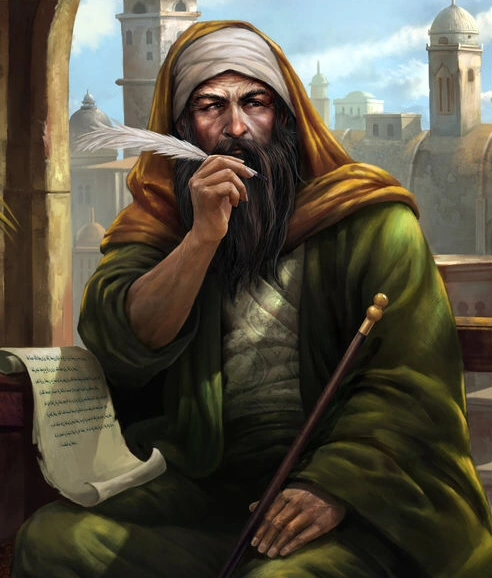
او داروسازی و داروشناسی را از پدرش آموخت و در عرفان مرید سلسلهٔ خاصی از مشایخ تصوف نبود[۹] و به کار عطّاری و درمان بیماران میپرداخت. وی علاقهای به مدرسه و خانقاه نشان نمیداد و دوست داشت راه عرفان را از داروخانه پیدا کند علاوه بر این شغل عطاری خود عامل بینیازی و بیرغبتی عطار به مدحگویی برای پادشاهان شد.[۱۰] زندگی او به تنظیم اشعار بسیار گذشت از جمله چهار منظومه از وی علاوه بر دیوان اشعار و مجموعه رباعیاتش، مختارنامه. آوازهٔ شعر او در روزگار حیاتش از نیشابور و خراسان گذشته و به نواحی غربی ایران رسیده بودهاست. اسنادی نیز در دست است که نشان میدهد حلقهٔ درسهای عرفانی عطار در نیشابور بسیار گرم و پرشور بودهاست و بسیاری از بزرگان عصر در آنها حاضر میشدهاند.[۱۱] در دوران معاصر، شیعیان با استناد به برخی شعرهایش بر این باورند که وی دوستدار اهل بیت بودهاست.[۱۲][۱۳] باستانی پاریزی وی را ازتناسخیون میداند.[۱۴]
درگذشت


دربارهٔ پشت پا زدن عطّار به اموال دنیوی و راه زهد، گوشهگیری و تقوا را پیش گرفتن وی داستانهای زیادی گفته شدهاست. مشهورترین این داستانها، داستانی است که جامی نقل میکند: عطار در محل کسب خود مشغول به کار بود که درویشی از آنجا گذر کرد. درویش درخواست خود را با عطار در میان گذاشت، اما عطار همچنان به کار خود میپرداخت و درویش را نادیده گرفت. دل درویش از این رویداد چرکین شد و به عطار گفت: تو که تا این حد به زندگی دنیوی وابستهای، چگونه میخواهی روزی جان بدهی؟ عطار به درویش گفت: مگر تو چگونه جان خواهی داد؟ درویش در همان حال کاسه چوبین خود را زیر سر نهاد و جان به جانآفرین تسلیم کرد. این رویداد اثری ژرف بر او نهاد که عطار دگرگون شد، کار خود را رها کرد و راه حق را پیش گرفت؛ که البته این روایت، بههیچوجه پذیرفتنی نیست زیرا که زهد عطار از همان ابتدای کودکی نمایان بودهاست.[۱۵]
مرگ عطار در سال ۶۱۸ هجری قمری به هنگام حملهٔ مغول بود؛ وی در نزدیکی دروازه شهر به دست سربازان مغول کشته شد. علاوه بر این تمام آثار وی سوزانده شد و آثاری که از وی در دست است تنها آثاری است که قبل از حملهٔ مغول، به سایر شهرها برده شده بودند.[۱۶]
آرامگاه عطار نیشابوری
مقالهٔ اصلی: آرامگاه عطار نیشابوری
آثار
مقالهٔ اصلی: فهرست آثار عطار نیشابوری
میراث
درحالی که بسیاری از پژوهشگران بر این عقیدهاند که عطار مرید شخص خاصی نبودهاست برخی نیز بر خلاف این معتقدند؛ برای مثال در کتاب مجمع الفصاء تألیف رضاقلی خان هدایت آمدهاست: «شیخ الاصفیا شیخ فریدالدّین محمّد و ابوطالب کنیت آن جناب بود و جناب شیخ مجدالدّین بغدادی که از خلفای شیخ نجمالدّین کبری است وی را تربیت فرمود. جناب شیخ از اکابر این طبقه است و در عُلو حالِ وی کس را مجال سخن نیست. هفت شهر عشق عطّار که در عرفان معروف است از وی چنین نقل شدهاست: نخستین «جستجو و طلب» است، باید در راه مقصود کوشید-دوم مقام «عشق» است که بیدرنگ باید به راه وصال گام نهاد. سوم «معرفت» است که هر کس به قدر شایستگی خود راهی برمیگزیند. چهارم «استغنا» است که مرد عارف باید از جهان و جهانیان بینیاز باشد. پنجم مقام «توحید» است که همه چیز در وحدت خدا مشاهده میشود. ششم مقام «حیرت» است که انسان در مییابد که دانستههای او بسیار اندک و محدود است. هفتم مقام «فنا» است که تمام شهوات و خودپرستیهای آدمی از او زایل میشود و میرود تا به حق واصل شود و در واقع از این فنا به بقا میرسد.[۱۷]
منسوب به مولوی:
| هفت شهر عشق را عطّار گشت | ما هنوز اندر خم یک کوچهایم |
محمود شبستری به تقریبی در گلشن راز:
| مرا از عاشقی خود عار ناید | که در صد قرن چون عطّار ناید |
و تا نپنداری که این دو بزرگ نه سخنی بی تحقیق گفتهاند. زیرا که شیخ فریدالدین محمّد به ابتدا مانند آبای معظم خود صاحب ثروت و مِکنت و جامع فضائل و حاوی خصائل و در حکمت الهی و طبیعی بینظیر و همتا و عطّارخانههای نیشابور همگی متعلّق به جناب شیخ بوده و خود در دواخانهٔ خاصه همه روزه بیماران را معالجه میفرموده و اغلب را دوا از دواخانهٔ خود میداده و استاد شیخ در این علم و عمل شیخ مجدالدّین بغدادی حکیم خاصهٔ خوارزم شاه قطبالدین محمّد بوده و بعد از فراغت از معالجات شیخ به نظم مثنویات میپرداخته… .»[۱۸]
در منابع دیگر؛ نظیر: مرصاد العباد اثر نجمالدّین رازی و نفحاتالأُنس اثر عبدالرحمان جامی نیز نسبت تربیت معنوی عطار به شیخ مجدالدین بغدادی رسانده شدهاست. «تا جایی که عرفای بزرگی از جمله رضی الدین علی لالای غزنوی (متوفی ۶۴۲ یا ۶۴۳) و نجم رازی (متوفی ۶۴۵) و شیخ فریدالدین عطار نیشابوری، از مریدان و تربیت یافتگان او شیخ مجدالدین بغدادی بودند.»[۱۹][۲۰][۲۱][۲۲][۲۳][۲۴]
در برخی منابع دیگر نجمالدین کبری مشهور به شیخ ولیتراش را مربی و مرشد معنوی فریدالدین عطار نیشابوری خواندهاند.[۲۵]
عطار در سخن دیگران
عطار همواره مورد احترام شاعران دیگر بوده از جمله محمود شبستری که بیت زیر را سرودهاست:[۲۶]
| مرا از شاعری خود عار ناید | که تا صد قرن چون عطار ناید | |
| اگرچه زین نمط صد عالم اسرار | بود یک شمه از دکان عطار |
| خواهد رسید رتبه صائب به مولوی | گر مولوی به رتبه عطار میرسد |
سیف:
| سیفم که بریدم زهمه نسبت خود لیک | در گفتن طامات چو عطار فریدم |
| هرکسی در پرده اشعار میگوید سخن | گاه مولانا و گه عطار و گاهی مغربی |
این شعر مولانا نیز در وصف عطار و سنایی است:[۲۷]
| عطار روح بود و سنایی دو چشم او | ما از پی سنایی و عطار آمدیم |
بیت «هفت شهر عشق را عطار گشت/ ما هنوز اندر خم یک کوچهایم» نیز از جمله ابیاتی است که به مولانا منسوب شده اما در انتساب آن تردید است؛ و علامه حسنزاده آملی در کتاب نامهها بر نامهها آن را به «عارف جامی» نسبت دادهاند.
یادبود و بزرگداشت
روز ملی عطار
روز ۲۵ فروردین در تقویم ایران روز ملی عطار است که هرساله در نیشابور، آرامگاه وی همراه برنامههای عطارشناسی برگزار میشود؛ گلباران آرامگاه عطار، ارائه پژوهشهایی در مورد این شاعر، نمایشگاه کتاب و خوشنویسی و شب شعر از جمله برنامههایی است که در این روز برگزار میشود
Attar of Nishapur: The Sufi Poet and Philosopher
Attar of Nishapur, a luminary in the realm of Persian literature and Sufi philosophy, stands as an enduring figure whose words have transcended centuries, leaving an indelible mark on both poetry and spirituality.
In this article, we embark on a journey to unravel the life, works, and profound impact of Attar of Nishapur, shedding light on the profound resonance he has had in the hearts and minds of countless seekers of truth and beauty. We will traverse the landscapes of his existence, explore the pages of his poetic masterpieces, and reflect on the profound spiritual wisdom that continues to inspire and guide generations. Join us as we navigate the world of Attar of Nishapur, a poet-philosopher whose legacy endures as a beacon of enlightenment and enlightenment.
Early Life and Background of Attar
To comprehend the essence of Attar of Nishapur, it is essential to begin with a glimpse into his formative years and the milieu that sculpted his remarkable journey.
Birthplace and Family Background
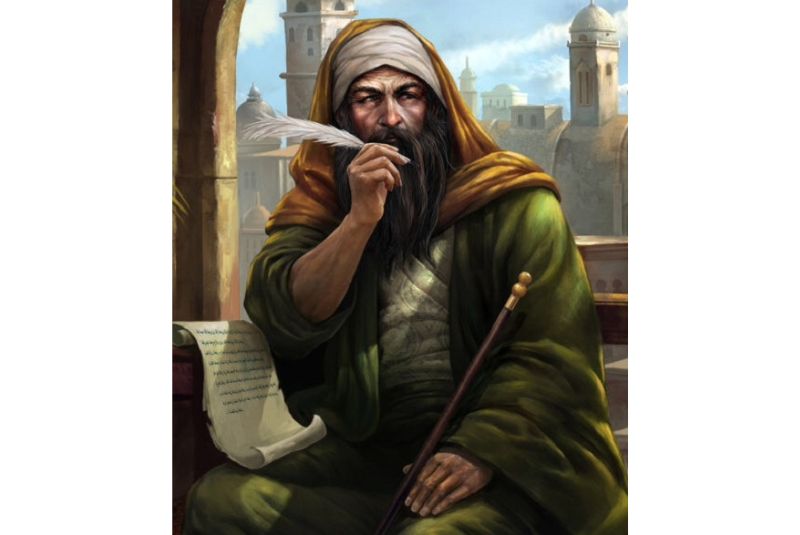
Attar’s story unfolds in the ancient city of Nishapur, nestled within the heart of Persia. Born in the 12th century, precise details about his birth date are shrouded in the mists of time, but his impact on Persian literature and Sufi thought is irrefutable. His birthplace, Nishapur, was a thriving center of culture, trade, and scholarship during his time, which undoubtedly contributed to the fertile ground from which his intellectual pursuits would spring forth.
Attar’s familial lineage, although less documented than his literary achievements, is believed to be a lineage of pharmacists, a profession reflected in his surname ‘Attar.’ This familial connection with the world of aromatic oils and fragrances is intriguing, as it hints at a dichotomy between the material and the spiritual that permeates his works.
| Explore: Persian Art
Education and Cultural Influences
Attar’s intellectual odyssey was not limited to the confines of his birthplace; instead, it expanded to include an extensive exploration of various fields of knowledge. His education was rooted in the classical Persian literary tradition, a treasure trove of epic poetry, mysticism, and philosophical thought. This robust foundation became the wellspring from which Attar drew inspiration, infusing his later works with a profound sense of cultural richness.
In addition to Persian literature, Attar’s worldview was profoundly shaped by his immersion in Sufism, the mystical branch of Islam. Under the tutelage of renowned Sufi masters, he delved deep into the spiritual realms, forging a connection with the Divine that would become a hallmark of his poetry. The teachings of Sufism instilled in him a profound understanding of the human soul’s yearning for unity with the Divine, a theme that would reverberate through his verses.
| Related: Sama Dance | The Mystical Beauty of an Ancient Dance
Attar’s Literary Contributions
Central to the legacy of Attar of Nishapur are his profound literary creations, each a gem in the treasure chest of Persian literature. Here, we embark on a journey through the pages of his most notable works, delving into their themes, motifs, and the distinctive literary style that has enthralled generations.
Overview of Notable Literary Works
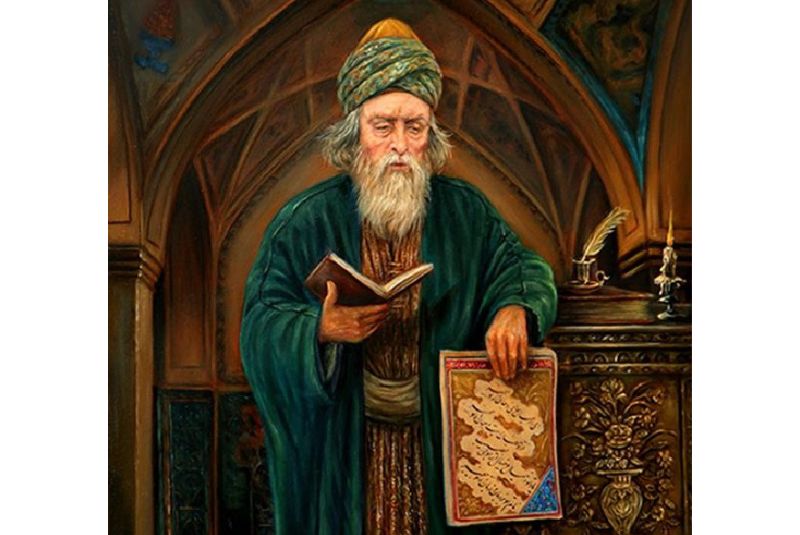
Attar’s oeuvre is a mosaic of spiritual exploration and poetic expression, with a myriad of works that continue to captivate readers. Two of his most celebrated compositions are “The Conference of the Birds” (Mantiq al-Tair) and “The Book of God” (Ilahi-Nama).
- The Conference of the Birds (Mantiq al-Tair): This masterpiece, often considered Attar’s magnum opus, is a Sufi allegorical poem that weaves a captivating narrative. In this epic, a multitude of birds embarks on a symbolic journey, led by a hoopoe bird, to seek their spiritual king, Simurgh. Along the way, they face various trials and tribulations, each representing a facet of the human condition. This allegory serves as a profound exploration of the Sufi path to self-realization and union with the Divine.
- The Book of God (Ilahi-Nama): Another significant work by Attar, “The Book of God,” is a poetic composition that draws inspiration from both Islamic spirituality and Persian mysticism. It delves into themes of divine love, spiritual awakening, and the quest for truth. Through allegorical tales and exquisite verses, Attar invites readers to ponder the mysteries of existence and the profound connection between the human soul and the Divine.
Themes, Motifs, and Literary Style
Attar’s literary prowess shines through in his exploration of timeless themes and motifs. His works are imbued with the following elements:
- Love and Longing: Love, both human and divine, is a recurring theme in Attar’s poetry. His verses beautifully capture the longing of the soul for union with the Divine Beloved, reflecting the essence of Sufi philosophy.
- Journey and Transformation: Attar often employs the metaphor of a journey to symbolize the spiritual quest. The transformation of characters along their paths signifies the evolution of the soul in its quest for truth and enlightenment.
- Allegory and Symbolism: Attar’s writings are replete with allegorical tales and symbolism, which invite readers to decipher deeper meanings. These symbols add layers of complexity to his works, making them accessible to both the literary connoisseur and the spiritual seeker.
- Lyricism and Imagery: Attar’s literary style is characterized by lyrical verses and vivid imagery. His words evoke powerful emotions and create a sensory experience for readers, drawing them into the mystical worlds he crafts.
The Sufi Path and Philosophy
Delving deeper into the essence of Attar of Nishapur’s life and work, we uncover the profound influence of Sufism, a spiritual path that resonated deeply with this poet-philosopher. In this section, we explore Attar’s profound involvement in Sufism and the integral role he played as a Sufi mystic, while also delving into key Sufi concepts that permeate his literary masterpieces.
| Suggestion: Tomb of Hafez | Famous Persian Poet
Attar’s Involvement in Sufism
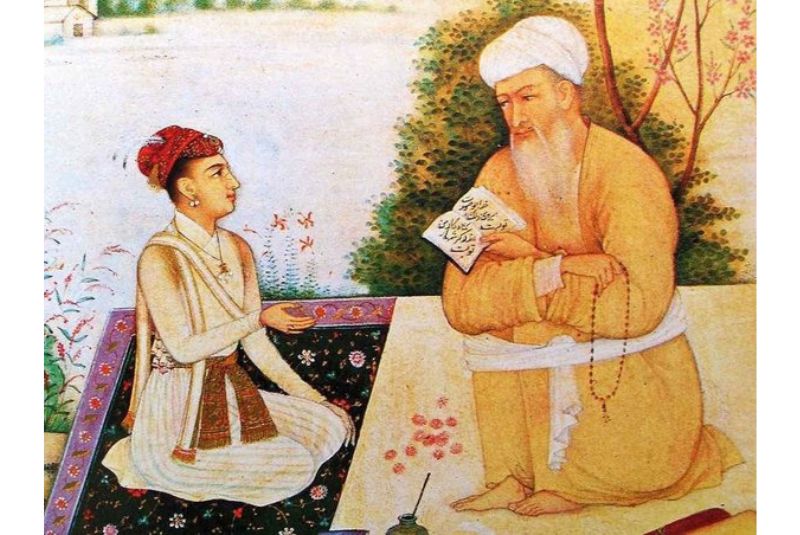
Attar of Nishapur’s journey in life transcended the boundaries of ordinary existence as he immersed himself in the mystical realms of Sufism. Sufism, a mystical branch of Islam, emphasizes a personal, experiential connection with the Divine, seeking spiritual enlightenment and union with God. Attar, through his deep exploration of Sufi teachings, became not only a follower but also a beacon of Sufi wisdom.
The Role of a Sufi Mystic
As a Sufi mystic, Attar’s life and work were deeply intertwined with the pursuit of spiritual truth and divine love. He used his poetry as a vessel to convey the profound experiences and insights gained on his own spiritual journey. Attar’s role extended beyond being a mere poet; he was a spiritual guide and mentor, offering readers a path toward inner awakening and communion with the Divine.
Key Sufi Concepts in Attar’s Works
Attar’s writings are imbued with key Sufi concepts that resonate with readers and seekers of truth:
- Love: Love, particularly divine love (ishq), is a central theme in Sufism, and Attar masterfully portrays it in his poetry. His verses are infused with the burning desire for union with the Divine Beloved, symbolizing the intense yearning of the soul for God’s presence.
- Longing: Attar’s poetry beautifully captures the sense of longing (shauq) experienced by those on the Sufi path. It is the yearning to return to one’s spiritual source, a yearning that propels individuals on their quest for spiritual realization.
- The Spiritual Journey: Attar’s allegorical works, such as “The Conference of the Birds,” mirror the Sufi journey of self-discovery and transformation. Each character in his narratives represents an aspect of the human soul, and their collective journey symbolizes the spiritual odyssey toward unity with the Divine.
Attar’s profound understanding of Sufi concepts, coupled with his poetic eloquence, has made his works a source of inspiration and guidance for countless spiritual seekers. His ability to convey the essence of Sufi philosophy through captivating narratives and heartfelt verses continues to draw readers into the mystical world he crafted.
| Read more: Saadi Shirazi | The Major Persian Poet of All Time
Attar of Nishapur’s Influence and Legacy
The profound impact of Attar of Nishapur extends far beyond his own lifetime, leaving an indelible mark on Persian literature, Sufi philosophy, and the broader Islamic world. In this section, we journey through the enduring influence of Attar and the multifaceted ways in which his works have been interpreted and appreciated across the centuries.
Impact on Persian Literature
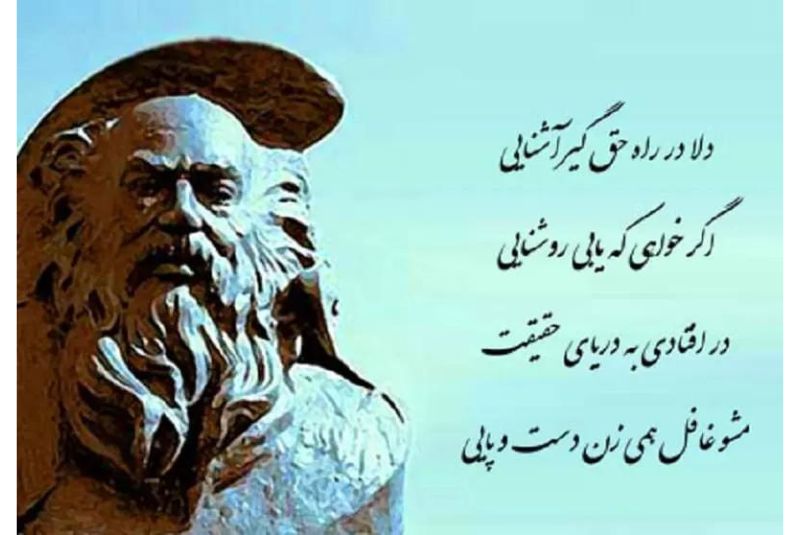
Attar’s contribution to Persian literature is immeasurable. His eloquent verses and literary innovations have influenced generations of poets and writers. His use of allegory, symbolism, and metaphor set new standards for Persian poetry, inspiring poets to explore complex themes with greater depth and creativity. Notable literary figures, including Rumi and Hafez, drew inspiration from Attar’s works, further enriching the tapestry of Persian literature.
Sufi Philosophy and Spiritual Awakening
In the realm of Sufi philosophy, Attar’s writings have had a profound impact on the development of mystical thought and practice. His exploration of themes such as divine love, spiritual yearning, and the Sufi path resonates deeply with Sufi practitioners. Attar’s allegorical tales, like “The Conference of the Birds,” continue to serve as guides for those seeking spiritual awakening and a deeper connection with the Divine.
Broader Influence in the Islamic World
Attar’s influence extends beyond Persian borders, reaching into the broader Islamic world. His works have been translated into numerous languages, making them accessible to a global audience. His universal themes of love, longing, and the human quest for meaning have transcended cultural boundaries, fostering a sense of shared spirituality among diverse communities.
Interpretations and Appreciation over the Centuries
Throughout history, Attar’s works have been subject to various interpretations and have resonated with different generations in unique ways. Some readers emphasize the allegorical and mystical dimensions of his poetry, while others appreciate the profound psychological insights embedded in his narratives. Attar’s ability to encapsulate the human experience and the spiritual journey has allowed his works to remain relevant and relatable across time.
In modern times, Attar of Nishapur’s legacy continues to thrive. His works are studied, celebrated, and appreciated for their timeless wisdom and literary brilliance. Scholars, poets, and spiritual seekers alike continue to find inspiration in his verses, reaffirming his enduring place in the pantheon of literary and spiritual luminaries.
| Discover: Avicenna (Ibn Sina) | The Persian Philosopher
Contemporary Relevance
While Attar of Nishapur’s life and works hail from a distant era, their resonance in modern times is a testament to the timeless wisdom encapsulated within his poetry. In this section, we shine a light on the enduring relevance of Attar’s writings and how his themes of self-discovery, spirituality, and universal love continue to captivate and inspire contemporary readers.
Enduring Themes for Self-Discovery
Attar’s exploration of the inner self and the quest for self-discovery remain as relevant today as they were centuries ago. In an era marked by introspection and the search for authenticity, his verses offer a profound mirror in which readers can reflect upon their own journeys. The themes of self-exploration and the realization of one’s true essence resonate deeply with those navigating the complexities of modern life.
Spirituality in a Fast-Paced World
In the hustle and bustle of the contemporary world, Attar’s writings provide a sanctuary for spiritual seekers. His poetry offers solace and guidance to individuals seeking meaning and purpose beyond the material realm. The timeless wisdom embedded in his verses serves as a reminder of the enduring importance of nurturing the soul and seeking a deeper connection with the divine in the midst of the chaos of modern existence.
Universal Love and Unity
Attar’s exploration of love, both human and divine, transcends cultural and religious boundaries. In a world marked by divisions and conflicts, his emphasis on universal love serves as a powerful antidote. His writings remind readers of the common threads that unite humanity, emphasizing the interconnectedness of all beings and the importance of compassion and empathy.
Relevance for Literary and Artistic Expression
Attar’s literary style, characterized by vivid imagery and allegory, continues to inspire contemporary poets, writers, and artists. His ability to convey complex spiritual concepts through storytelling and metaphor provides a rich source of inspiration for those seeking to explore profound themes through various forms of creative expression.
Notable Quotes
Attar of Nishapur’s verses are a treasury of wisdom and insight, containing pearls of profound thought that continue to resonate with readers across the ages. Here, we present a selection of some of Attar’s most thought-provoking quotes from his writings:
- “The Self is a sea boundless and measureless. The eye has never seen, nor the hand touched a shore of this sea.” Attar, from “The Conference of the Birds”
- “When you overcome your ego and lose yourself in the Beloved, you realize, just as Rumi did, that you are the entire ocean in one drop.” Attar
- “The quest for God is a quest for true self-discovery; in this search, we find the essence of our being.” Attar
- “The mystic sees the light in darkness, the beauty in imperfection, and the unity in diversity.” Attar
- “The language of the heart is understood by those who listen not with their ears but with their souls.” Attar
- “The journey of the soul is an inner odyssey, a path of transformation from a drop to the ocean, from ignorance to enlightenment.” Attar
- “Love is the thread that weaves the fabric of the universe, connecting all beings in a tapestry of divine oneness.” Attar
- “In the garden of the heart, the flowers of devotion bloom, and the fragrance of divine love fills the air.” Attar
- “To truly know God is to know oneself, for the soul is but a reflection of the Divine.” Attar
- “In the silence of the heart, we find the answers to the questions that echo in the depths of our being.” Attar
These quotes offer a glimpse into the profound insights and spiritual wisdom that Attar of Nishapur embedded in his poetry. They serve as timeless reminders of the eternal truths he explored and shared with the world, inviting readers to contemplate the mysteries of existence, the nature of the self, and the boundless love that unites all of creation.
Last Words
In the tapestry of Persian literature and Sufi philosophy, the luminous figure of Attar of Nishapur shines brightly, casting a timeless glow that transcends the boundaries of space and era. In this exploration of his life and work, we have uncovered the essence of Attar’s profound contributions to literature and spirituality.
Attar of Nishapur’s contributions to literature and spirituality are a testament to the enduring power of words and wisdom. His legacy, like a timeless melody, continues to inspire, uplift, and guide those who embark on the path of self-discovery and spiritual enlightenment. Attar’s life and work serve as a luminous constellation in the night sky of human history, inviting us to gaze upward, ever seeking the divine light that unites us all.